
This might be the kind of dinner that makes your whole house smell like a cozy Italian trattoria. The rich, slow-cooked flavors in this Tender Short Rib Ragu with Pasta Recipe seriously elevate simple pasta night into something special you’ll want to repeat.

Jump to:
Why You'll Love This Recipe
From the first bite to the last, this Tender Short Rib Ragu with Pasta Recipe delivers comfort and sophistication all in one pot. I adore how it’s surprisingly easy to make but tastes like you’ve slaved away for hours.
- Rich, tender meat: Slow cooking the short ribs until fork-tender creates an unforgettably luscious sauce.
- Flavor-packed base: The combo of mirepoix veggies, tomato paste, and red wine lays a deep foundation that just sings.
- Perfect pasta pairing: Hearty pasta shapes like pappardelle or tagliatelle cradle every bite of saucy goodness flawlessly.
- Flexible and forgiving: Whether you use bone-in ribs or stew beef, it’s a forgiving recipe that still shines wonderfully.
Ingredients & Why They Work
Each ingredient in this tender short rib ragu works like a note in a symphony—balancing, supporting, and enhancing. Key shopping tip: choose good quality short ribs, and don’t skip on fresh herbs. They bring layers of flavor that canned or dried versions just can’t replicate.

- Beef short ribs: I love using boneless, cubed ribs for easy shredding, but bone-in ups the flavor complexity.
- Light olive oil: Or avocado oil for searing—adds a mild fruitiness without overpowering the beef.
- White onion, celery, carrot: Classic soffritto veggies that build savory depth and sweetness.
- Garlic cloves: Don’t skip! It adds that fragrant punch you want in any ragu.
- Tomato paste: Concentrated tomato richness that caramelizes beautifully with the veggies.
- Red wine: Adds acidity and fruitiness, perfect for deglazing and flavor layering.
- Broth (beef or chicken): Keeps it moist and adds umami without watering down flavors.
- Crushed tomatoes: Gives body and brightness to the sauce.
- Herb bundle (rosemary, thyme, parsley stems): Essential for that earthy, herbal undertone.
- Bay leaves: Subtle aromatic depth during the long simmer.
- Sherry or red wine vinegar: A splash at the end to brighten and balance.
- Pasta (tagliatelle or pappardelle): Thick ribbons that hold the meat sauce nicely.
- Parsley and Parmigiano Reggiano: Fresh herbs and sharp cheese to finish with a fresh, savory hit.
Make It Your Way
I’ve learned over the years that tweaking a ragu can make it truly yours. While this Tender Short Rib Ragu with Pasta Recipe is perfect as is, feel free to adapt to your taste or pantry.
- Variation: One time, I swapped in a splash of balsamic vinegar instead of sherry vinegar—it added a subtle sweetness I really enjoyed. You can try that too!
- For a spicier kick: Add a pinch of red pepper flakes when sauteeing the veggies. It wakes everything up wonderfully.
- Make it gluten-free: Swap the pasta for polenta or gluten-free pasta—you won’t lose any of that comforting vibe.
- Make it quicker: Use a pressure cooker to cut simmering time in half without sacrificing tenderness.
Step-by-Step: How I Make Tender Short Rib Ragu with Pasta Recipe

Step 1: Searing the Short Ribs
Start by seasoning your cubed short ribs generously with kosher salt. Heat your olive oil over medium-high in a large, heavy pot (a Dutch oven is perfect). Add the ribs in batches—crowding will steam them instead of searing. Your goal is a deep golden crust on all sides, which unlocks so much flavor. Transfer seared ribs to a plate once all are browned. If there’s extra grease, leave just enough to coat the pan for the veggies.
Step 2: Building the Flavor Base
In that same pot, toss in your diced onion, celery, carrot, and garlic. Cook on medium-high for about 3-4 minutes or until the onion gets translucent and fragrant. Stir in the tomato paste along with a teaspoon of kosher salt and cracked pepper to taste. Let the paste caramelize for about 2-3 minutes; it deepens the tomato flavor beautifully.
Step 3: Deglazing and Simmering
Pour in the red wine to deglaze the pot, scraping up every browned bit from the bottom—that’s pure gold for your sauce. Return the short ribs to the pot, then pour in the broth and crushed tomatoes. Add your fresh herb bundle and bay leaves. Bring everything to a gentle simmer, cover loosely to let steam escape, and cook low and slow for 2 to 2 ½ hours. Keep an eye to make sure it doesn’t dry out; add water or broth if needed.
Step 4: Shred, Season, and Serve
When the meat is fall-apart tender, remove the bay leaves and herb bundle. Using tongs or forks, shred the meat right in the pot. If your ribs had bones, remove them carefully first—sometimes the cartilage isn’t for everyone, so you can discard that too. Taste the sauce and adjust seasoning, adding a splash of sherry or red wine vinegar to brighten everything up. If it’s a bit thin, let it simmer uncovered a little longer to thicken. Serve over your favorite pasta, topped with chopped parsley and lots of Parmigiano Reggiano.
Top Tip
I’ve made this ragu dozens of times and learned a few tricks that make the difference between good and truly memorable.
- Searing is key: Don’t rush the browning step. It’s where your rich, meaty flavor begins. Pat the meat dry if needed so it browns instead of steams.
- Simmer low and slow: High heat can toughen the meat. The slow process breaks down the collagen and makes that melt-in-your-mouth texture.
- Don’t skip the vinegar: That last touch of acidity cuts through richness and brightens the whole sauce beautifully.
- Use a heavy pot: A heavy-bottomed Dutch oven or braiser distributes heat evenly, preventing hot spots and burning.
How to Serve Tender Short Rib Ragu with Pasta Recipe

Garnishes
I love a generous sprinkle of freshly chopped parsley for brightness and a good grating of Parmigiano Reggiano. Sometimes I add a drizzle of extra virgin olive oil or a pinch of chili flakes if guests want a little heat. These simple touches make the dish feel restaurant-worthy at your own table.
Side Dishes
This ragu pairs beautifully with a crisp green salad dressed in lemon vinaigrette or some roasted seasonal vegetables. Garlic bread or focaccia is another great choice—perfect for mopping up every last bit of sauce.
Creative Ways to Present
For special occasions, I sometimes serve the ragu over creamy polenta or as a hearty filling in fresh pasta like ravioli. A layered lasagna with this ragu is always a showstopper when I want to impress family. Even a dollop on hummus for an unexpected twist can be a fun way to enjoy the flavors.
Make Ahead and Storage
Storing Leftovers
I store leftover ragu in an airtight container in the fridge for up to 4 days. The flavors actually deepen over time, so leftovers taste even better! Just reheat gently.
Freezing
This ragu freezes beautifully. I portion it into freezer-safe containers and freeze for up to 3 months. When you’re ready, thaw overnight in the fridge before reheating slowly on the stove.
Reheating
Reheat the ragu gently over low heat, adding a splash of broth or water if it’s thickened too much in the fridge. Stir often to prevent sticking, and serve warm over freshly cooked pasta for that fresh-from-the-kitchen feel.
Frequently Asked Questions:
Absolutely! Bone-in ribs add extra flavor and richness to your ragu. Just remember to remove the bones after cooking and shred the meat carefully to avoid cartilage.
Thicker, hearty pasta shapes like pappardelle, tagliatelle, rigatoni, or cavatelli work best because they hold onto the meaty sauce well. Avoid very thin pastas which might get overwhelmed.
You’ll know because the meat will start to fall apart easily when pierced with a fork. If after 2½ hours it still resists shredding, continue simmering for another 30 minutes or until tender.
Yes! In fact, this ragu tastes even better the day after cooking. You can store it in the fridge for 4 days or freeze it for up to 3 months and reheat gently when needed.
Final Thoughts
This Tender Short Rib Ragu with Pasta Recipe is a game changer for those nights when you want something truly comforting without fussing endlessly. I hope you enjoy making it as much as I do—there’s something so satisfying about sitting down with a bowl full of rich, tender meat sauce and pasta that tastes like you’ve been cooking all day, even if you haven’t. Give it a try—you might just find your new favorite go-to for Sunday dinners and special gatherings alike.
Print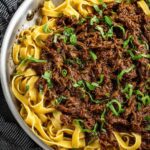
Tender Short Rib Ragu with Pasta Recipe
- Prep Time: 30 minutes
- Cook Time: 3 hours
- Total Time: 3 hours 30 minutes
- Yield: 6 servings 1x
- Category: Main Course
- Method: Stovetop
- Cuisine: Italian
Description
Rich and hearty Short Rib Ragu slow-simmered to tender perfection, served with thick pasta like pappardelle or tagliatelle and garnished with Parmesan and parsley. This classic Italian-inspired dish features succulent beef short ribs cooked in a savory tomato and red wine sauce infused with aromatic herbs.
Ingredients
Meat and Oil
- 2 lbs beef short ribs - de-boned, cut into 2" (5cm) cubes
- 2 tbsp light olive oil (or vegetable or avocado oil)
Vegetables and Aromatics
- 1 cup white onion - finely diced
- ½ cup celery - finely diced
- ½ cup carrot - finely diced
- 4 garlic cloves - finely minced
Liquids and Tomatoes
- 2 tbsp tomato paste
- 1 cup red wine
- 1 cup broth - beef or chicken
- 1 ¾ cup crushed tomatoes (14 oz can)
Herbs and Seasonings
- Herb bundle - rosemary, thyme, parsley stems
- 2 bay leaves
- 2 tbsp sherry or red wine vinegar
- Kosher salt and fresh cracked pepper to taste
Pasta and Garnish
- 1 lb pasta - tagliatelle or pappardelle
- Chopped parsley for garnish
- Grated Parmigiano Reggiano for garnish
Instructions
- Season Short Ribs: Season the beef short ribs with kosher salt evenly on all sides to prepare for searing.
- Sear the Meat: Heat 2 tablespoons of light olive oil in a large braiser or Dutch oven over medium-high heat. Add short ribs without crowding and sear until browned on all sides. Work in batches if necessary. Transfer seared ribs to a plate. Remove excess grease from pot, leaving no more than 2 tablespoons.
- Sauté Vegetables: Add diced onion, celery, carrot, and minced garlic to the pot. Sauté over medium-high heat for 3-4 minutes until onion softens and vegetables are fragrant.
- Add Tomato Paste and Seasonings: Stir in tomato paste, 1 teaspoon kosher salt, and ½ teaspoon freshly cracked pepper. Cook for an additional 2-3 minutes to develop flavor.
- Deglaze with Wine: Pour in red wine and scrape the bottom of the pot to release browned bits, infusing flavor into the sauce.
- Simmer Ribs in Sauce: Return the seared short ribs to the pot. Add broth and crushed tomatoes, then add the herb bundle and bay leaves. Bring to a low simmer, cover with the lid slightly ajar, and cook for 2 to 2 ½ hours, stirring occasionally and adding broth or water if drying out.
- Check Tenderness: The ribs are ready when fork-tender and falling apart. If not tender after 2 ½ hours, continue simmering for an additional 30 minutes.
- Shred Meat and Remove Herbs: Discard bay leaves and herb bundle. If using boneless ribs, shred meat directly in the pot with forks or tongs. If bone-in, remove bones carefully and shred the meat, discarding cartilage if preferred.
- Adjust Seasoning and Thickness: Taste the sauce and adjust seasoning with salt, pepper, and 2 tablespoons vinegar. Simmer uncovered for 15-30 minutes more if the sauce needs thickening.
- Cook Pasta and Serve: Prepare pasta per package instructions until al dente. Serve ragu over pasta and garnish with chopped parsley and grated Parmigiano Reggiano.
Notes
- Deboned English style short ribs cut into cubes are preferred for convenience, but bone-in ribs add more flavor.
- Stewing beef cubes are a cost-effective alternative to short ribs.
- This ragu is versatile and can be served with pasta, polenta, as ravioli filling, in lasagna, alongside roasted vegetables, or even atop hummus.
- Recommended pasta shapes are thick and hearty such as pappardelle, tagliatelle, orecchiette, rigatoni, or cavatelli.
- See the blog post for step-by-step photos to assist with preparation.
Nutrition
- Serving Size: 1 serving (with pasta)
- Calories: 620 kcal
- Sugar: 6 g
- Sodium: 550 mg
- Fat: 28 g
- Saturated Fat: 10 g
- Unsaturated Fat: 16 g
- Trans Fat: 0 g
- Carbohydrates: 50 g
- Fiber: 6 g
- Protein: 40 g
- Cholesterol: 110 mg

Leave a Reply