
If you love bold, spicy, and tender meats, you are going to adore this Spicy Korean Beef Bulgogi Recipe. It’s the perfect way to bring that authentic Korean BBQ flavor right into your own kitchen, and trust me, it’s easier than you think!

Jump to:
Why You'll Love This Recipe
I can’t get enough of this dish! Every time I make this bulgogi, my kitchen fills up with mouthwatering aromas, and dinner feels special without spending hours cooking. Plus, it’s a guaranteed crowd-pleaser!
- Quick Marination: The pear in the marinade tenderizes the rib eye beautifully within just a couple hours.
- Perfect Balance: Sweet, savory, and spicy flavors come together to create authentic Korean BBQ magic.
- Effortless Cooking: Thinly sliced beef cooks in minutes on a grill pan, giving you that desirable char.
- Versatile Serving: Great with rice, wrapped in lettuce, or paired with your favorite Korean sides.
Ingredients & Why They Work
Before you start, make sure to gather quality ingredients. Fresh rib eye and authentic Korean condiments really make a difference here. Here’s the rundown on what you’ll need — and why each one matters.

- Boneless rib eye steak: The marbling delivers tender, flavorful meat that’s perfect for quick grilling.
- Pear: Adds natural sweetness and enzymes that tenderize the beef during marination.
- Reduced sodium soy sauce: Balances savory depth without overwhelming saltiness.
- Brown sugar: Provides subtle sweetness that caramelizes beautifully on the grill.
- Toasted sesame oil: Gives a nutty aroma and authentic Korean flavor.
- Garlic: Fresh and pungent, it adds sharpness and complexity.
- Freshly grated ginger: Brings a warm and zingy note to the marinade.
- Gochujang (Korean red pepper paste): The key spicy ingredient that packs heat and umami.
- Vegetable oil: Used for cooking to get that perfect sear without burning.
- Green onions: Bright, fresh garnish to finish the dish.
- Toasted sesame seeds: Add crunch and extra nutty flavor at the end.
Make It Your Way
The beauty of this Spicy Korean Beef Bulgogi Recipe is how effortlessly it adapts to your taste buds and lifestyle. Whether you want to dial up the heat, sneak in some veggies, or make it a bit lighter, there’s plenty of room for creativity!
- Vegetarian Variation: Swap out the rib eye for thickly sliced king oyster mushrooms or tofu marinated in the same spicy-sweet sauce. I’ve tried this on busy weeknights and loved how the mushrooms soak up all those bold flavors without losing their meaty texture.
- Lower Spice Level: If gochujang feels a little too fiery for you, start with just half a tablespoon and gradually increase as you get comfortable. This way, you still enjoy the authentic taste without the heat overwhelming the other layers of flavor.
- Seasonal Twist: In spring or summer, toss in some thinly sliced zucchinis or bell peppers towards the end of cooking for a fresh crunch. It’s a simple addition that adds a lovely contrast and color.
Step-by-Step: How I Make Spicy Korean Beef Bulgogi Recipe

Step 1: Firm Up and Slice the Rib Eye
Start by wrapping your boneless rib eye steak tightly in plastic wrap and pop it in the freezer for 30 minutes. This little chill step makes all the difference when slicing—you want those thin, ¼-inch slices that cook quickly and stay tender. Once firm, unwrap and slice across the grain for the best texture.
Step 2: Whip Up the Flavorful Marinade
In a medium bowl, combine the grated pear, reduced sodium soy sauce, brown sugar, toasted sesame oil, minced garlic, freshly grated ginger, and that all-star ingredient—gochujang. This marinade is where the magic happens: the pear naturally tenderizes the beef while the sauce balances sweet, savory, and spicy notes to perfection. Pour the marinade and beef into a large Ziploc bag, seal it up, and toss it in the fridge to marinate for at least 2 hours—or better yet, overnight. Don’t forget to turn the bag occasionally so every slice gets coated beautifully.
Step 3: Sear to Charred Perfection
Heat 1 tablespoon of vegetable oil in a heavy skillet or cast iron grill pan over medium-high heat—this helps you get that coveted char. Working in batches (to avoid overcrowding!), lay out the marinated beef slices in a single layer. Sear for about 2 to 3 minutes per side until beautifully caramelized and cooked through. Repeat with the remaining oil and beef. The quick cooking means you’ll have tender, flavorful bulgogi ready in a flash.
Step 4: Garnish and Serve with Love
Transfer your sizzling bulgogi to a serving dish and sprinkle with thinly sliced green onions and toasted sesame seeds. Serve it immediately alongside steamed rice and some kimchi or your favorite Korean sides. This is the moment when all the flavors come together for a truly authentic Korean BBQ experience in your own kitchen.
Top Tip
Mastering the Spicy Korean Beef Bulgogi Recipe is all about those little tricks that bring out the best flavors and textures in your dish. Here are some personal tips from my kitchen to yours that truly elevate this Korean BBQ favorite.
- Marinate Overnight: I learned that marinating the rib eye steak for a full night rather than just 2 hours makes the beef incredibly tender and allows the sweet, spicy, and savory flavors to really soak in.
- Freeze Before Slicing: Wrapping the steak and freezing it for 30 minutes is a game-changer—it firms up the meat so slicing thin ¼-inch strips becomes so much easier and cleaner.
- Cook in Batches: Avoid crowding the grill pan. Cooking the beef slices in small batches ensures a perfect char and caramelization instead of steaming, which keeps that authentic Korean BBQ flavor.
- Adjust the Heat: Gochujang packs a subtle spicy kick but feel free to tweak the quantity to balance the heat according to your taste. This way, everyone at the table enjoys their perfect level of spice.
How to Serve Spicy Korean Beef Bulgogi Recipe

Garnishes
The classic garnishes of thinly sliced green onions and toasted sesame seeds add just the right touch of freshness and nuttiness that complement the bold flavors of the bulgogi. For an extra pop, sprinkle a few toasted seaweed flakes or a drizzle of sesame oil just before serving.
Side Dishes
Serve this Spicy Korean Beef Bulgogi Recipe alongside steamed white rice or sticky short-grain rice to soak up the delicious juices. Some traditional Korean sides like kimchi, pickled radish, or seasoned spinach (sigeumchi namul) make for authentic and refreshing accompaniments. For a lighter bite, lettuce wraps (ssam) are perfect to spoon the bulgogi onto and enjoy with a dab of ssamjang sauce.
Make Ahead and Storage
Storing Leftovers
After cooking, let your bulgogi cool to room temperature. Store leftovers in an airtight container in the refrigerator for up to 3 days. This keeps the flavors vibrant and the beef tender for quick meals later on.
Freezing
If you'd like to save it longer, portion the cooked bulgogi into freezer-safe bags or containers and freeze for up to 2 months. When freezing, try to remove as much air as possible to preserve flavor and texture.
Reheating
Reheat your bulgogi gently in a skillet over medium heat just until warmed through, about 2-3 minutes, to maintain that lovely char and tenderness. Avoid microwaving as it can sometimes dry out the meat or make it lose its crisp edges.
Frequently Asked Questions:
Absolutely! While rib eye steak is ideal for its marbling and tenderness, you can also use sirloin or flank steak. Just be sure to slice the meat thinly and adjust marinating time if using leaner cuts.
Yes, the grated pear contains enzymes that naturally tenderize the beef and add subtle sweetness. If you can't find pear, Asian pear is best, but a ripe apple can be a substitute in a pinch.
This recipe has a moderate spice level thanks to the gochujang. You can easily adjust the amount of gochujang in the marinade to make it milder or hotter according to your preference.
Yes, you can mix the marinade ingredients and store it in the fridge up to 24 hours before adding the beef. This convenience helps save time on busy days.
Final Thoughts
Cooking this Spicy Korean Beef Bulgogi Recipe is truly a joy—each bite bursting with the perfect balance of sweet, savory, and spicy notes that Korean BBQ lovers crave. Whether you're serving it for a family dinner or a casual gathering, this recipe brings warmth and flavor to the table every time. Remember, great food is about taking your time, enjoying the process, and sharing it with the people you love. Happy cooking and enjoy your delicious Korean feast!
Print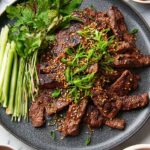
Spicy Korean Beef Bulgogi Recipe
- Prep Time: 3 hours 15 minutes
- Marinating Time: 2 hours
- Cook Time: 15 minutes
- Total Time: 3 hours 30 minutes
- Yield: 6 servings 1x
- Category: Main Course
- Method: Frying
- Cuisine: Korean
Description
This Korean Beef Bulgogi recipe features thinly sliced rib eye steak marinated in a flavorful mixture of pear, soy sauce, brown sugar, sesame oil, garlic, ginger, and gochujang. The marinade tenderizes the meat and infuses it with a perfect balance of sweet, savory, and spicy flavors. Quickly cooked in a hot grill pan until charred and tender, this dish is perfect for a delicious and authentic Korean BBQ experience at home.
Ingredients
Beef and Marinade
- 1 ½ pounds boneless rib eye steak
- ½ small pear (peeled and coarsely grated)
- ¼ cup reduced sodium soy sauce
- 2 tablespoons brown sugar
- 2 tablespoons toasted sesame oil
- 3 cloves garlic (minced)
- 1 tablespoon freshly grated ginger
- 1 tablespoon gochujang (Korean red pepper paste)
For Cooking and Garnish
- 2 tablespoons vegetable oil (divided)
- 2 green onions (thinly sliced)
- 1 teaspoon toasted sesame seeds
Instructions
- Prepare the steak: Wrap the rib eye steak in plastic wrap and place it in the freezer for 30 minutes to firm up. This makes it easier to slice thinly. Then, unwrap and slice the steak across the grain into ¼-inch thick slices.
- Make the marinade and marinate the beef: In a medium bowl, combine the grated pear, soy sauce, brown sugar, toasted sesame oil, minced garlic, freshly grated ginger, and gochujang. Transfer this marinade along with the sliced steak into a gallon-size Ziploc bag. Seal the bag and marinate in the refrigerator for at least 2 hours or overnight, turning the bag occasionally to ensure even marination.
- Cook the beef: Heat 1 tablespoon of vegetable oil in a cast iron grill pan or heavy skillet over medium-high heat. Working in batches to avoid overcrowding, add the marinated steak slices in a single layer. Cook for about 2-3 minutes per side until the beef is nicely charred and cooked through. Repeat this process with the remaining 1 tablespoon of vegetable oil and the rest of the beef slices.
- Garnish and serve: Transfer the cooked bulgogi to a serving platter and garnish with thinly sliced green onions and toasted sesame seeds. Serve immediately, ideally with steamed rice and side dishes like kimchi for an authentic experience.
Notes
- Using a small pear in the marinade helps tenderize the meat naturally due to its enzymatic content.
- Marinating for at least 2 hours is essential, but overnight marination yields deeper flavor and more tender beef.
- Cutting the steak thinly ensures quick cooking and a tender bite.
- If you don’t have a grill pan, a heavy skillet or cast iron pan works perfectly.
- Adjust the amount of gochujang based on your preferred spice level.
- Serve bulgogi with steamed rice, lettuce wraps, or Korean side dishes for a complete meal.
Nutrition
- Serving Size: 1 serving
- Calories: 320 kcal
- Sugar: 6 g
- Sodium: 520 mg
- Fat: 20 g
- Saturated Fat: 6 g
- Unsaturated Fat: 13 g
- Trans Fat: 0 g
- Carbohydrates: 10 g
- Fiber: 1 g
- Protein: 25 g
- Cholesterol: 75 mg



Leave a Reply